Sunday, 24 February 2019

INDOCHINESE TIGER

INDOCHINESE TIGER:

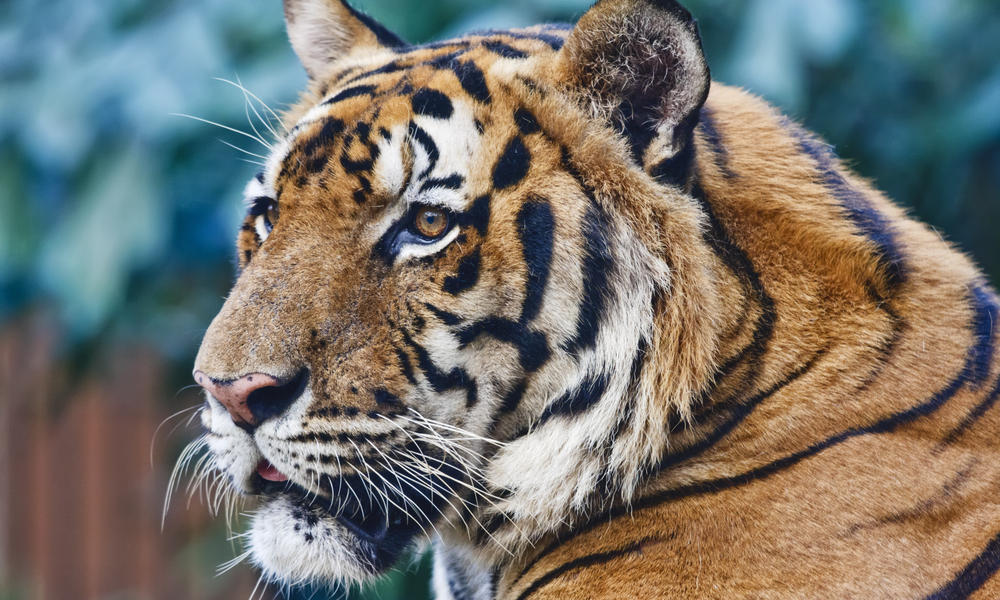
In 2010, the alarm for the Indochinese tiger sounded because the population of this subspecies had fallen by more than 70% in just over a decade. Six countries—Thailand, Cambodia, China, Lao People's Democratic Republic, Myanmar and Vietnam—are now home to only around 350 tigers.
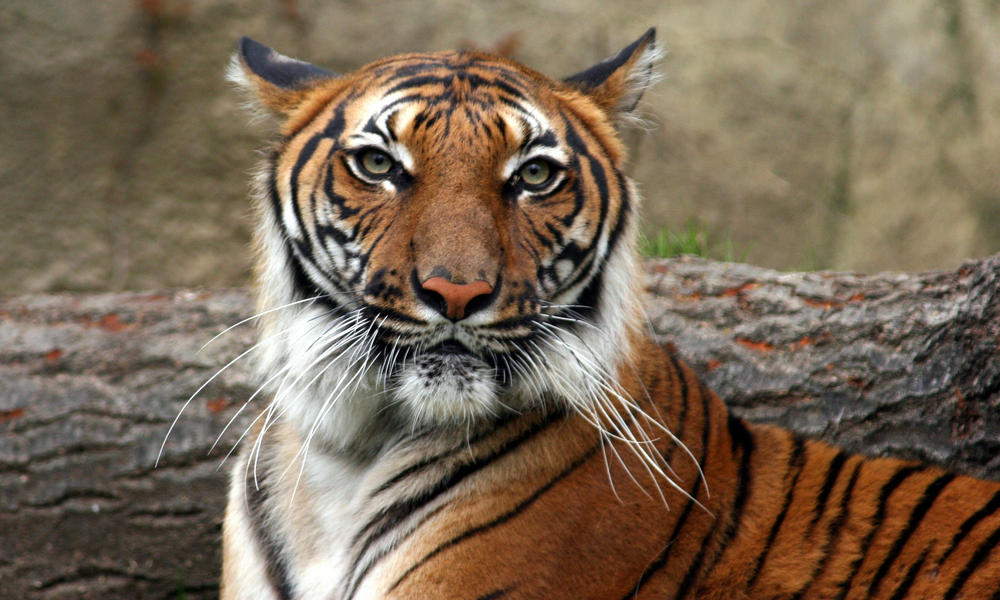
Indochinese Tiger
© Connie Lemperle / WWF-Greater Mekong
The region contains the largest combined area of tiger habitat in the world—equal to roughly the size of France. However, rapid development, such as road construction, is fragmenting habitats. Due to decades of rampant poaching many of the landscapes of this region have no tigers left in them.

Resultado de imagen de indochinese tiger RANGE
By Wikipedia

There is hope in other remaining Indochinese tiger habitats, which have a relatively low human presence and offer a unique opportunity for tiger conservation. The best hope of the survival of this subspecies is in the Dawna Tennaserim landscape on the Thailand-Myanmar border where perhaps 250 tigers remain. WWF considers the forests of the Lower Mekong a restoration landscape with the possibility of reintroducing tigers as the habitat and prey base are there. Southern Laos and Central Vietnam also have potential for recovery of wild tiger populations.
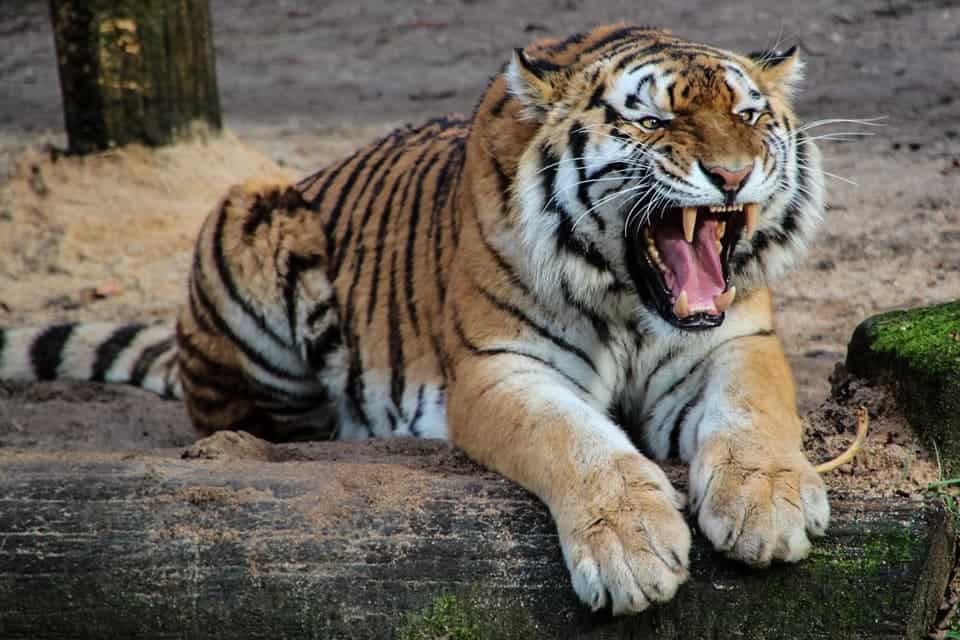
Imagen relacionada
By zmescience.com
Access to the areas where Indochinese tigers live is often restricted, and biologists have only recently been granted limited permits for field surveys. As a result, there is still much to learn about the status of these tigers in the wild.

FACTS ABOUT INDOCHINESE TIGERS:
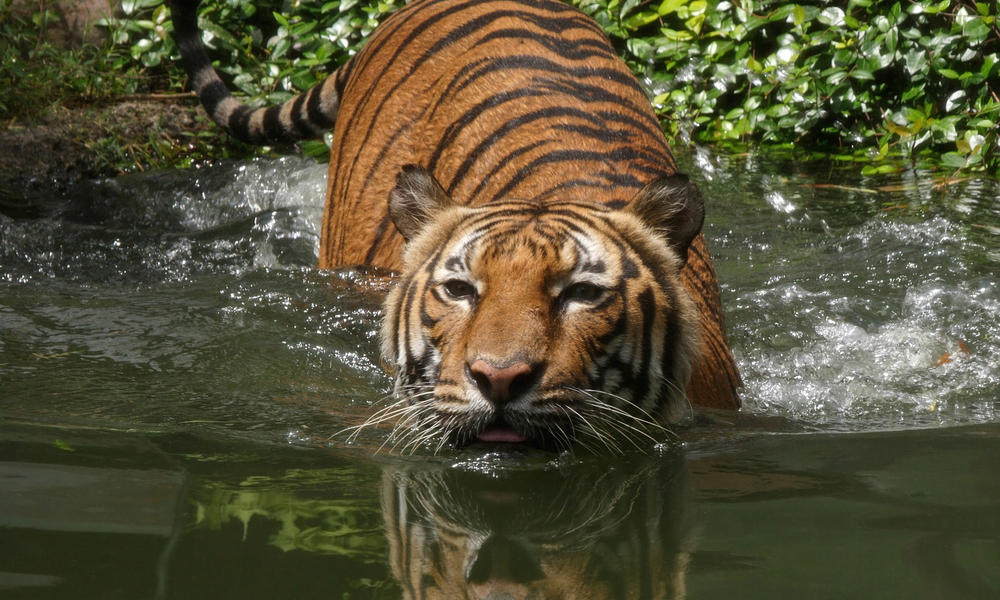

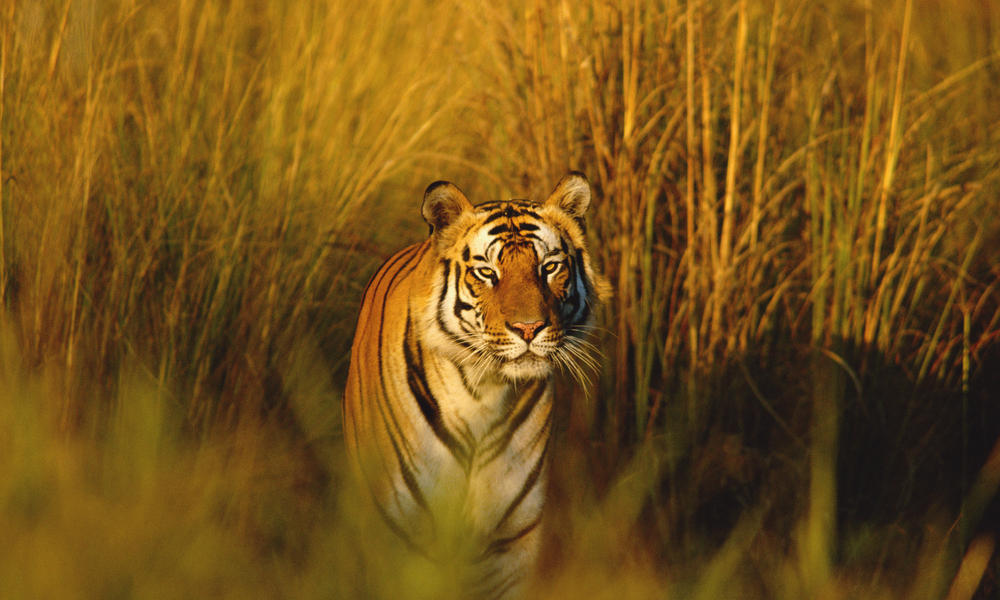
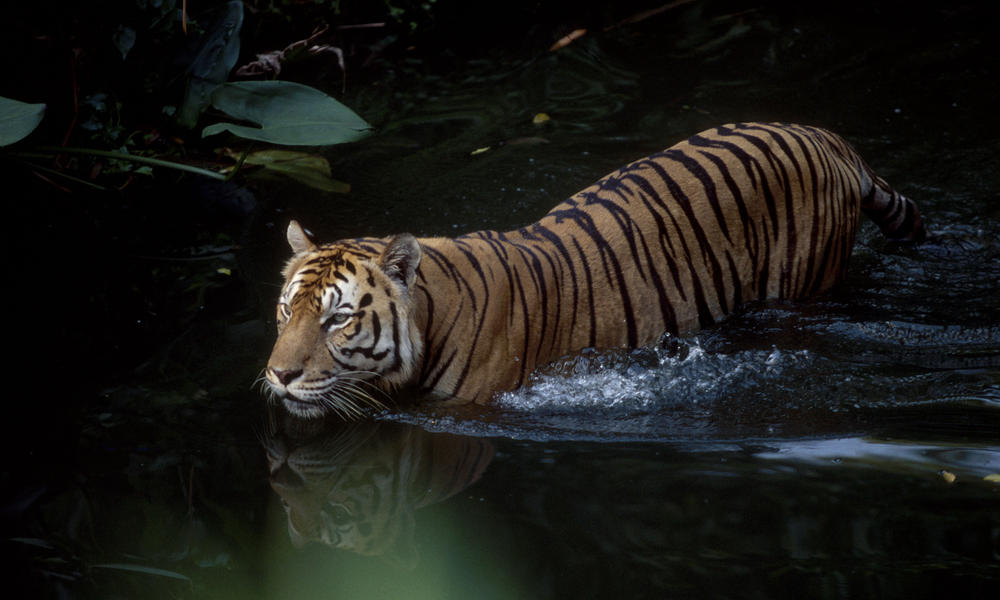
Indochinese Tiger
© Howard Cheek / WWF-Greater Mekong
  • STATUS:
  • Endangered
  • POPULATION:
    around 350 (2010 estimate)
  • SCIENTIFIC NAME:
    Panthera tigris corbetti
  • WEIGHT:
    396–550 pounds
  • LENGTH:
    Average of nine feet from nose to tail
  • HABITATS:
    Tropical and subtropical moist broadleaf forests, dry forest

WHY THEY MATTER:


Maintaining tiger habitats in the Greater Mekong directly benefits a host of other globally important species like Asian elephants, Asiatic black bear, a suite of wild cattle and many endemic deer.
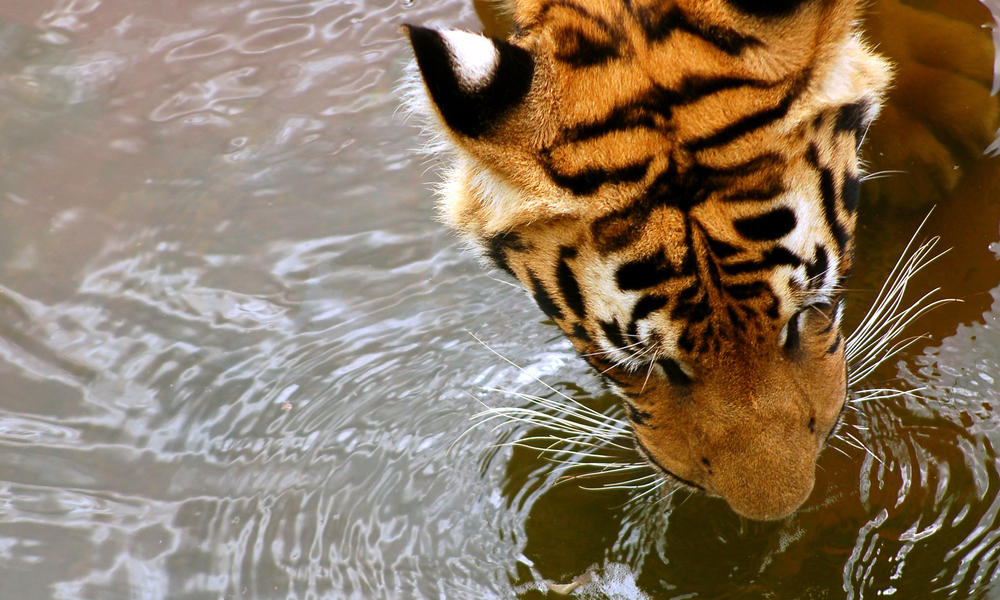


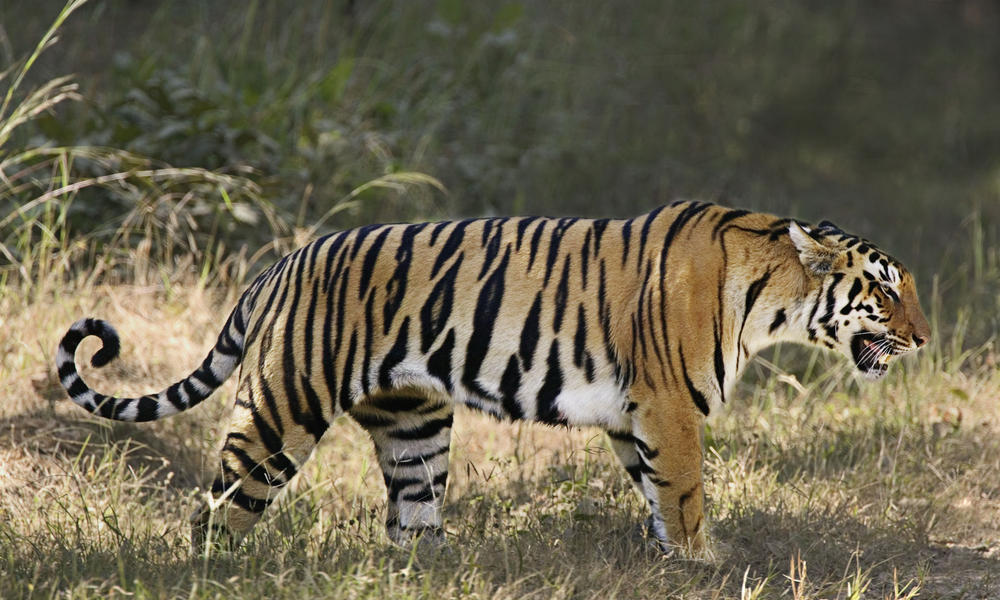
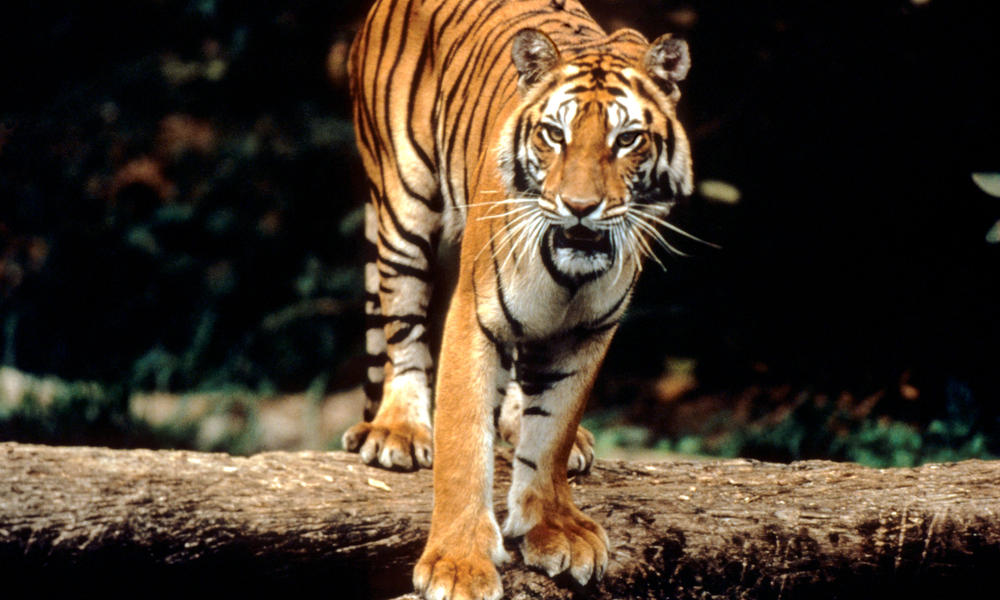
Indochinese Tiger
© CK Wong / WWF-Greater Mekon
THREATS:

Indochinese tiger numbers are in shocking decline across its range because of shrinking habitats, expanding human populations, and the increasing demand for traditional medicines, folk remedies and wild meat.

POACHING AND ILLEGAL WILDLIFE TRADE

Vital tiger populations are also depleted by a growing commercial demand for wild meat in restaurants. In the Lower Mekong Forests region—Cambodia, Lao PDR, Vietnam—prey densities are very low due to intensive hunting and weak law enforcement over the past few decades. Wild tigers are also poached in order to meet increasing demand for tiger body parts used in traditional medicine and new folk tonics. Tiger farms in Thailand, Vietnam and China maintain the demand for tiger products from all sources—including the wild—and worsen the poaching problem.

HABITAT LOSS:

Imagen relacionada
By wwf.org.nz
While healthy habitats are extensive in some areas they are under constant pressure from agricultural plantations, mining concessions and inundation from hydropower development. Habitat fragmentation due to rapid development – especially the building of road networks—is a serious problem. This fragmentation forces what tigers are left into scattered, small refuges, which isolates populations and increases accessibility for poachers.


RARE  DISCOVERY:

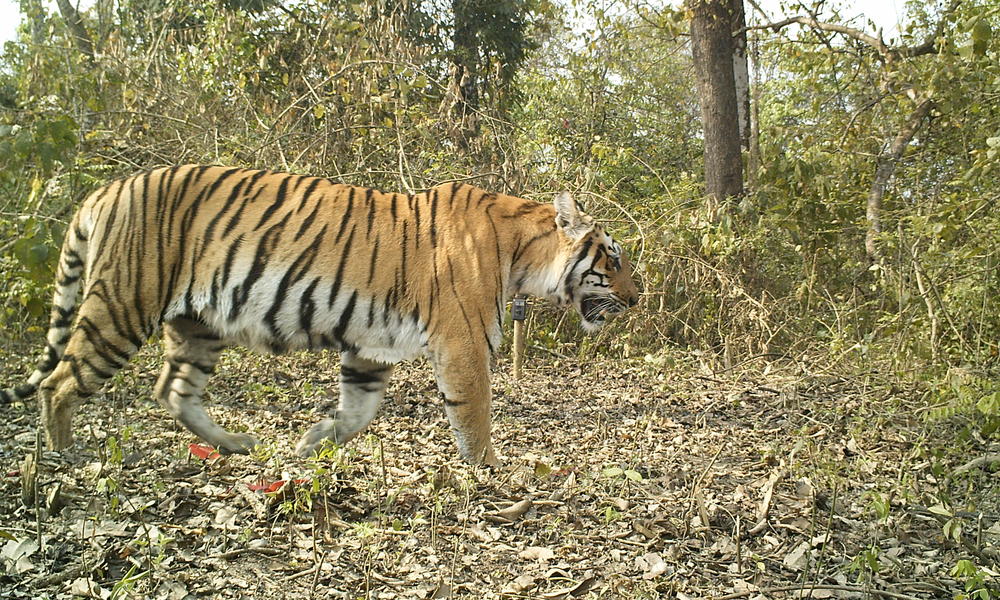
A rare population of Indochinese tigers has been discovered and filmed in the jungles of Eastern Thailand.
The tigers were found thanks to the efforts of Freeland and Panthera, two wildlife conservation groups working in conjunction with Thailand’s Department of National Parks, Wildlife and Plant Conservation. These images and video, captured via camera trap and released on March 28, show not only adult tigers, but cubs. This is evidence of the “world’s second breeding Indochinese Tiger population…[and] the first evidence of a breeding population in Eastern Thailand in over 15 years” according to a press release issued by the organizations. Only about 8 percent of tiger grounds have confirmed breeding populations, Panthera reported, and this discovery indicates that the tigers could potentially disperse and repopulate the surrounding countries of Cambodia and Laos. Only 221 Indochinese Tigers are estimated to be alive in Thailand and Myanmar, according to the Freeland and Panthera press release. Thailand’s Huai Kha Khaeng Wildlife Sanctuary is the only other known breeding ground for the giant felines.

Imagen relacionada
By Shutterstock

Saturday, 23 February 2019

BENGAL TIGER

BENGAL TIGER:


Tigre de Bengala
By WWF-India

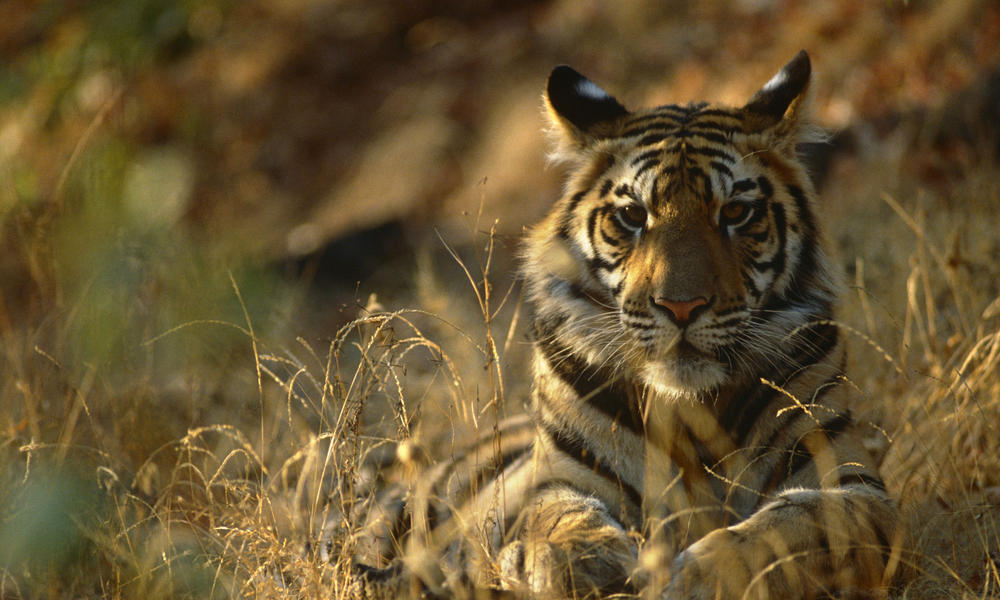
The Bengal tiger is found primarily in India with smaller populations in Bangladesh, Nepal, Bhutan, China and Myanmar. It is the most numerous of all tiger subspecies with more than 2,500 left in the wild. 

Tigre de Bengala
By © naturepl.com / Francois Savigny
The creation of India’s tiger reserves in the 1970s helped to stabilize numbers, but poaching to meet a growing demand from Asia in recent years has once again put the Bengal tiger at risk. 
The mangroves of the Sundarbans—shared between Bangladesh and India—are the only mangrove forests where tigers are found. The Sundarbans are increasingly threatened by sea level rise as a result of climate change

FACTS ABOUT BENGAL TIGER:

Himalaya oriental
© Roger Hooper-Kanha National Park, MP, India
  • STATUS:
    Endangered
  • POPULATION:
    more than 2,500
  • SCIENTIFIC NAME:
    Panthera tigris tigris
  • WEIGHT:
    around 550 pounds
  • Imagen de la trampa de la cámara del tigre en el paisaje del arco Terai.
    © DNPWC / WWF Nepal
    LENGTH:
    nearly 10 feet
  • HABITATS:
    Dry and wet deciduous forests, grassland and temperate forests, mangrove forests


WHY THEY MATTER:

Tigre de bengala india
By © Staffan Widstrand
This tiger subspecies is at the top of the food chain in the wild. But tigers are also a vital link in maintaining the rich diversity of nature. When tigers are protected, we save so much more. For example, with just one tiger, we protect around 25,000 acres of forest. These ecosystems supply both nature and people with fresh water, food, and health.

THREATS:

Bengal Tiger Prey
Tigers suffer from a severe loss of natural prey like deer and antelopes.- By WWF India

PREY LOSS

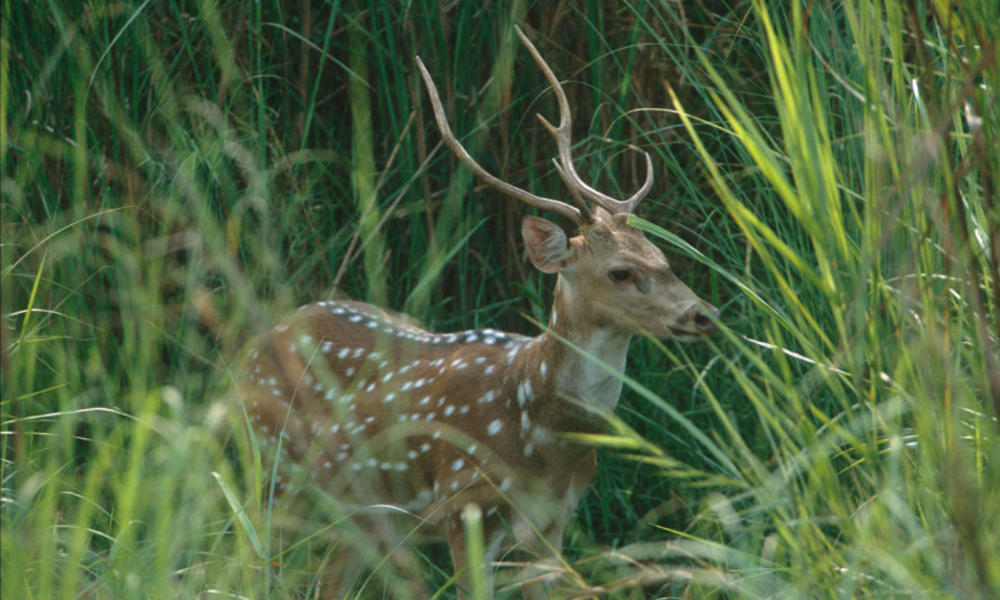
Tigers suffer from a severe loss of natural prey like deer and antelopes. Prey numbers decline because of direct poaching for meat and trade, competition with livestock over food and habitat degradation because of excessive wood removal for fires.

CONFLICT WITH HUMANS

As tigers continue to lose their habitat and prey species, they are increasingly coming into conflict with humans as they attack domestic animals—and sometimes people. In retaliation, tigers are often killed by angry villagers.

HABITAT LOSS

Resultado de imagen de bengal tiger habitat loss
By Bengal Tiger Conservation
Less than a hundred years ago, tigers prowled all across the Indian subcontinent. Exploding human populations, particularly since the 1940s, have resulted in major loss of tiger habitat. Habitats are further fragmented because of agriculture and the clearing of forests for developments like road networks. This forces tigers into small and scattered habitat patches.

ILLEGAL WILDLIFE TRADE

Imagen relacionada
By Wildlife Friends Foundation Thailand
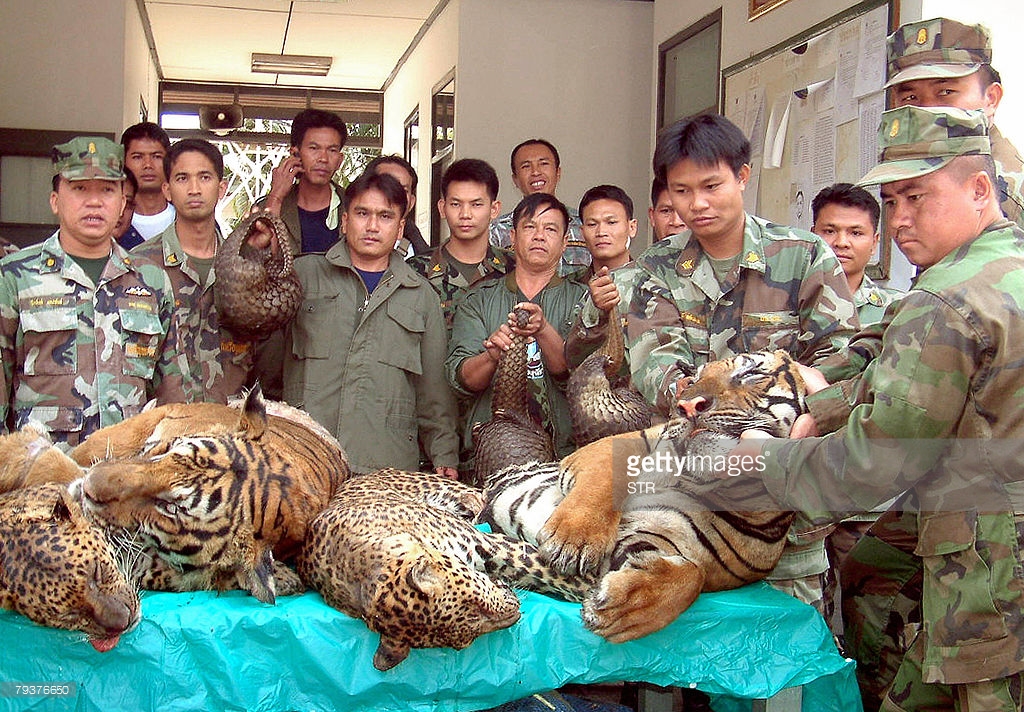
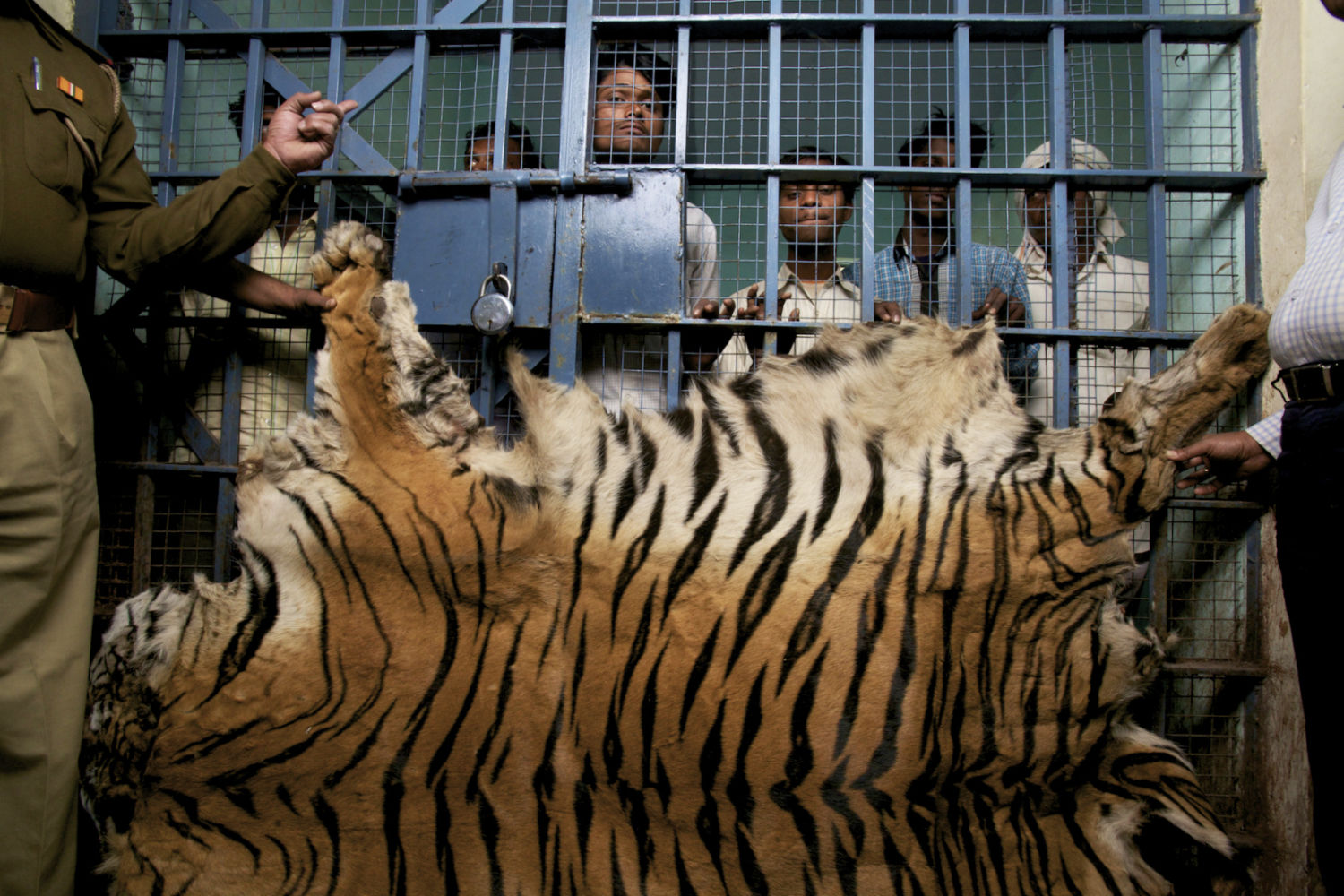
Before the international ban on tiger trade in 1993, tiger populations were being decimated by poaching and trade. Despite the ban in the past few decades, the illegal demand for tigers as status symbols, decorative items, and folk cures has increased dramatically, leading to a new poaching crisis. Poaching driven by the international illegal wildlife trade is the largest immediate threat to the remaining tiger population.


Nepal leads the way once again with an estimated 235 wild tigers,
close to doubling the population of 2009.
Watch what does it take to count this magnificent species.


Resultado de imagen de illegal bengal tiger trade
A group of men arrested while trying to sell a tiger skin near Chandrapur, India
(By Yale E360)

AMUR TIGER

AMUR TIGER


Imagen del círculo tigre de Amur.
By wwf photographer
Amur tigers were once found throughout the Russian Far East, northern China and the Korean peninsula. By the 1940s, hunting had driven the Amur tiger to the brink of extinction—with no more than 40 individuals remaining in the wild. The subspecies was saved when Russia became the first country in the world to grant the tiger full protection.


Tigre de amur
By © Vladimir Filonov / WWF-Canon

By the 1980s, the Amur tiger population had increased to around 500. Although poaching increased after the collapse of the Soviet Union, continued conservation and antipoaching efforts by many partners have helped keep the population stable at around 540 individuals. 


The Amur tiger’s habitat is now restricted to the Sikhote-Alin range in the Primorski and Khabarovsk provinces of the Russian Far East, small pockets in the border areas of China and possibly in North Korea. The high latitude means long winters and that the sun does not rise far above the horizon.

Silvicultura responsable
By © Vladimir Filonov / WWF-Canon
Amur tigers have the largest home range of any tiger subspecies because they have to search over large areas to find food due to low prey densities. They represent the largest unfragmented tiger population in the world.

←Amur tiger territories.


FACTS ABOUT AMUR TIGERS:

Imagen de la especie Amur Heilong (c) Hartmut Jungius WWF Canon
By © Hartmut Jungius / WWF-Canon
  • STATUS: Endangered
  • POPULATION: As many as 540
  • SCIENTIFIC NAME: Panthera tigris altaica
  • WEIGHT: 396–660 pounds
  • LENGTH: Up to 10 feet
  • HABITATS: Temperate forest


WHY THEY MATTER:

The vast tracts of tiger forests in the Amur-Heilong landscape are unique. This region comprises Korean pine and Mongolian oak, which provide an important habitat for the Amur tiger and its prey—as well as important economic resources for local communities
Tigres siberianos
By © David Lawson / WWF-UK

THREATS:

HABITAT LOSS

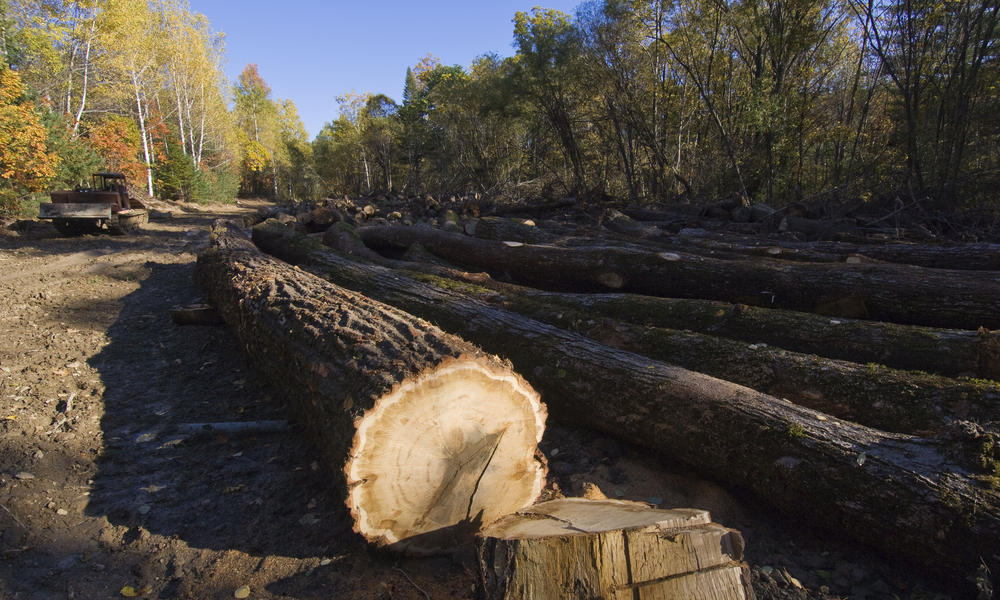
Illegal logging operation, Russian Far East
Illegal logging operation, Russian Far East. - WWF 


Tiger forests are at risk from logging, conversion to agriculture, urban expansion, road construction, mining, fires and inadequate law enforcement. Illegal logging is widespread throughout the Russian Far East and has a major impact on tiger populations because Korean pine and Mongolian oak provide critical food for the the tigers' prey during the snow season.
At least 30% of all Russian forest exports are tainted by illegal logging. The United States is the top importer of hardwoods harvested in the Russian Far East and manufactured as furniture in China. In 2010, the Russian government listed Korean pine in Appendix III of CITES—requiring CITES permits for Korean pine timber exported from Russia and making it harder for the illegal timber trade to continue.
Dark Forest, an undercover Russian documentary investigating the timber mafia in Russia, puts a spotlight on the high-level corruption prevalent in the system. The film highlights the prevalence of illegal deforestation in protected areas and fake auctions in the Russian Far East. The documentary confirms several WWF reports that revealed that much of the logging in the region is illegal.

ILLEGAL WILDLIFE TRADE:

The most immediate threat to the survival of Amur tigers is poaching to supply demand for tiger parts on the black market. Experts say a new breed of poacher stalks the tigers of the Russian Far East. Often having international ties, these modern poachers are better-armed, more organized and faster than their predecessors.
In 2010, suspected members of a Chinese poaching gang were captured by the Russian authorities after sneaking into a tiger sanctuary near the border. One of the suspects was dragging two big bags behind him as he stumbled through the snow. Inside the bags, said police, were two adult tiger skins and the bones of a tiger cub.

Back into the wild:

On May 15, 2017, Vladik the tiger was released into the wild. Just months before the Amur tiger was found lost in the city of Vladivostok, Russia. Vladik was taken to a rehabilitation center and then released back into the wilderness of the Russian Far East in Bikin National Park. By WWF-Russia

By WWF-Russia
A three-year-old Amur tiger was successfully captured, collared and released into a mountainous region in the Russian Far East. The young male was identified as a ‘conflict tiger’ in a prey-depleted area, but rather than confining him to a life of captivity, the Russian government opted to give him a second chance


Video © Jilin Wangqing National Nature Reserve 

Footage of a tiger and her playful cubs caught by a WWF camera trap is the first video evidence of wild Amur tigers in China. The footage was captured almost 20 miles from the Russian border late last year. In the past, tiger footprints were the only indicators of Amur tigers in China.

The distance from the Russian border is significant as the cubs would not have been able to travel so far on their own. From their location, we know they were raised inside China.
“These images show that Wangqing Nature Reserve has now become a breeding site for Amur tigers. Seeing these positive outcomes from our efforts greatly strengthens our confidence that wild Amur tiger populations can be restored,” said Wang Fuyou, division head of the Wangqing Nature Reserve conservation department.

Friday, 22 February 2019

SUMATRAN TIGER


SUMATRAN TIGER :

This tiger subspecies is found only on the Indonesian island of Sumatra. Less than 400 Sumatran tigers exist today. In 1978, experts estimated the population of Sumatran tigers at 1,000.


Tigres
By  www.worldwildlife.org

Sumatran tigers are the smallest surviving tiger subspecies and are distinguished by heavy black stripes on their orange coats. The last of Indonesia’s tigers—less than 400 today—are holding on for survival in the remaining patches of forests on the island of Sumatra. Accelerating deforestation and rampant poaching mean this noble creature could end up like its extinct Javan and Balinese relatives.


By  www.worldwildlife.org


In Indonesia, anyone caught hunting tigers could face jail time and steep fines. But despite increased efforts in tiger conservation—including strengthening law enforcement and antipoaching capacity—a substantial market remains in Sumatra and the rest of Asia for tiger parts and products. Sumatran tigers are losing their habitat and prey fast, and poaching shows no sign of decline.


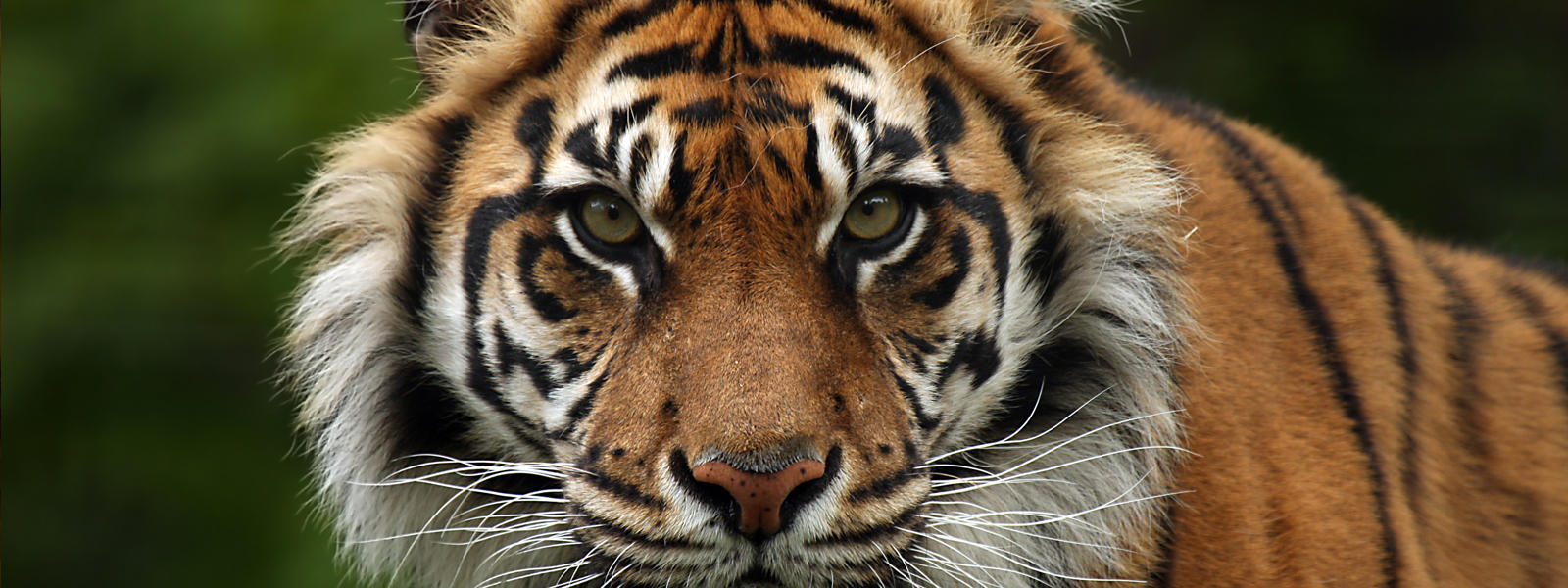
Sumatran Tiger
By www.worldwildlife.org


FACTS ABOUT SUMATRAN TIGERS:


  • STATUS: Critically Endangered - (Facing an extremely high risk of extinction
  •  in the Wild)
  • POPULATION: Less than 400
  • SCIENTIFIC NAME: Panthera tigris sumatrae
  • WEIGHT: 165–308 pounds
  • HABITATS: Tropical broadleaf evergreen forests, freshwater swamp forests and peat swamps


WHY THEY MATTER:

The island of Sumatra is the only place where tigers, rhinos, orangutans and elephants live together. The presence of the Sumatran tiger is an important indicator of a forest's biodiversity. Protecting tigers and their habitat means many other species benefit—including humans.


 ILLEGAL WILDLIFE TRADE:

Resultado de imagen de ILLEGAL SUMATRAN TIGER TRADE
National Geographic Blog - National Geographic Society
Most tigers in Sumatra are killed deliberately for commercial gain. According to a survey from TRAFFIC, the global wildlife trade monitoring network, poaching for trade is responsible for over 78% of estimated Sumatran tiger deaths—amounting to at least 40 animals per year.


Resultado de imagen de SUMATRAN TIGER TRADE
Sumatran Tiger
Despite intensified conservation and protection measures in Sumatra and the apparent global success in curtailing markets for tiger bone, there is no evidence that tiger poaching has declined significantly on the island since the early 1990s.


HUMAN-WILDLIFE CONFLICT


Habitat destruction forces tigers into settled areas in search of food and where they are more likely to come into conflict with people. Human-tiger conflict is a serious problem in Sumatra. People have been killed or wounded, and livestock fall prey to tigers. Retaliatory action by villagers can result in the killing of tigers.


HABITAT LOSS

Resultado de imagen de HABITAT LOSS for the Sumatran tiger
By World Wildlife Fund


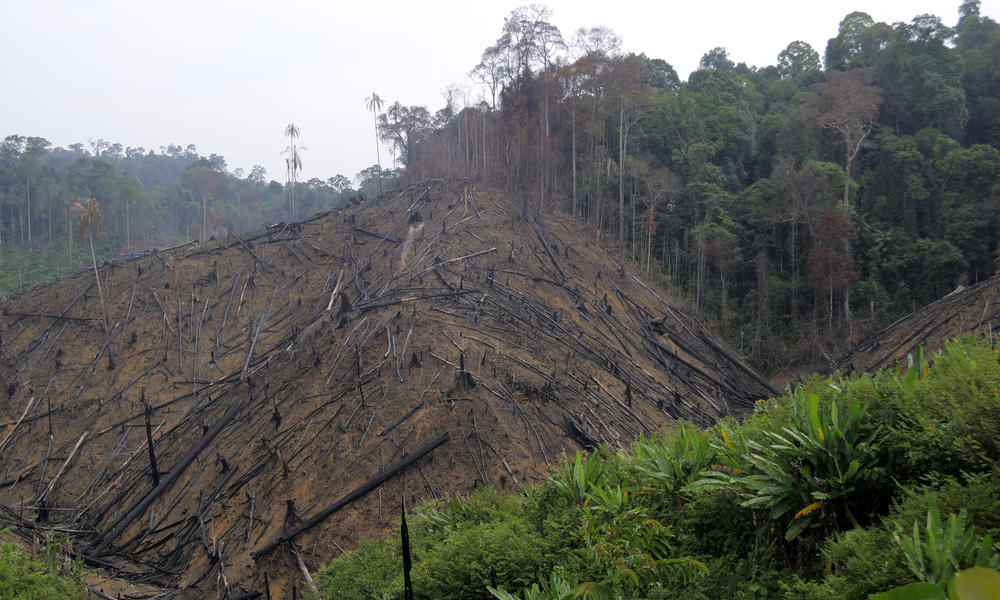
Habitat for the Sumatran tiger has been drastically reduced by clearing for agriculture, plantations and settlement. On many parts of the island, illegal timber harvesting and forest conversion are out of control. About 16.6 million acres of forest—larger than the state of West Virginia—were lost in Sumatra between 1985 and 1997. Even protected areas face problems. In addition, forest conversion has isolated national parks from one another.


WHAT WWF IS DOING:


INFLUENCING LAND-USE PLANNING

WWF helps design land-use plans that incorporate critical wildlife habitat. Sumatra’s district and provincial governments are integrating this information into their plans, including zoning decisions and concessions for economic activities. Along with WWF’s efforts to mitigate the palm, pulp and paper, and timber industries’ impact on the island’s biodiversity, this work helps Sumatra balance environmental realities with people’s social and economic needs.


PROTECTING TIGER HABITAT

WWF successfully lobbied corporate partners and the Indonesian state government to declare the Tesso Nilo tiger landscape a protected area in 2004. It is most likely the last remaining block of lowland tropical rainforest for tigers in Sumatra. Using the momentum of the Year of the Tiger in 2010, WWF pushed for six priority landscapes for tigers to be included in the National Tiger Recovery Program, which was adopted as a global program by 13 tiger range countries.

MONITORING TIGERS


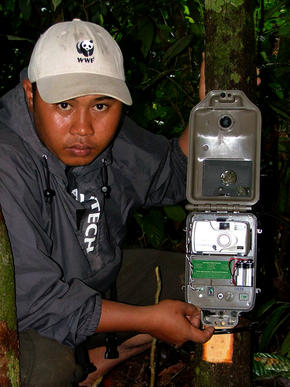
WWF is undertaking groundbreaking research on tigers in central Sumatra. Using camera traps to estimate population size and distribution as well as habitat use, we identify wildlife corridors that require protection across the central Sumatran tiger landscape.

Tigres de Sumatra
Camera trap used to obtain images of Sumatran tigers-WWF 


WWF camera traps recorded an astounding 12 tigers in just two months in the central Sumatran landscape of Bukit Tigapuluh. Footage captured two mothers with cubs and three young tiger siblings playfully chasing a leaf. Unfortunately much of the area faces the looming threat of being cleared by the pulp and paper industry.